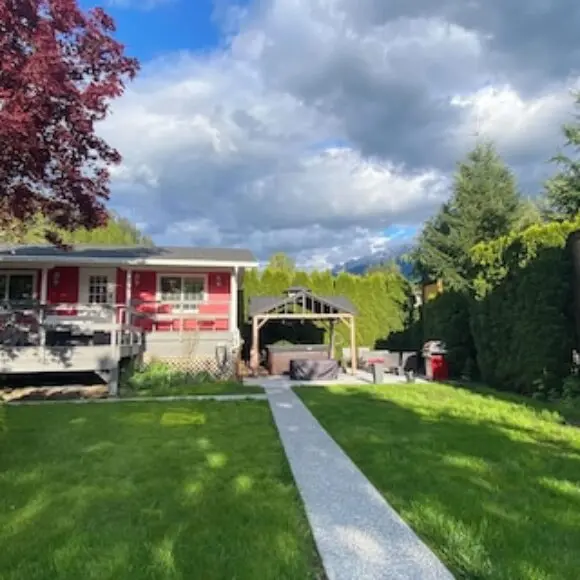
Vacation Home Qualicum Beach Ocean Suites
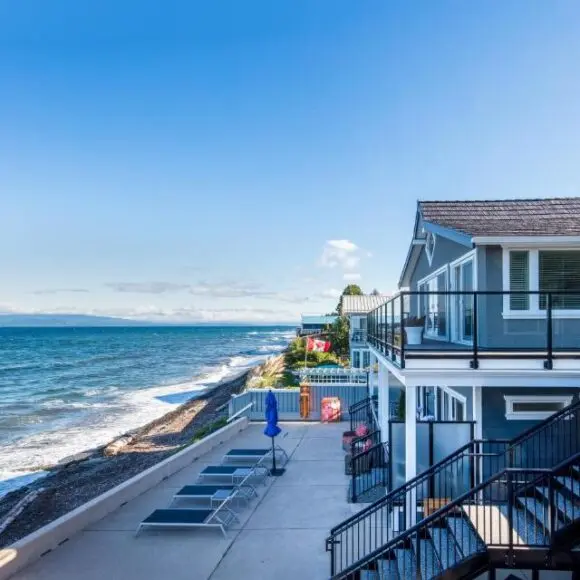
Qualicum Beach Ocean Suites
About this propertyBeachfront Location: Qualicum Beach Ocean Suites in Qualicum Beach offers direct beachfront access and stunning sea views. Guests can relax on the sun terrace and enjoy free WiFi throughout the aparthotel.
Comfortable Accommodations: Each unit features a kitchenette, balcony, and private bathroom. Additional amenities include air-conditioning, bathrobes, and a washing machine. The aparthotel is pet-friendly and welcomes guests with pets.
Convenient Facilities: The aparthotel provides a 24-hour front desk, outdoor seating area, and family rooms. Free on-site private parking is available for guests’ convenience.
Local Attractions: Qualicum Beach is a 7-minute walk away, while Nanaimo Harbor Water Airdrome is 30 mi from the property. Other nearby attractions include Nanaimo Bastion and Newcastle Island Marine Park, each 29 mi distant.Couples in particular like the location – they rated it 9.5 for a two-person trip.Distance in property description is calculated using © OpenStreetMap
Vacation Home Qualicum Beach Ocean Suites reviews
Planning your ferry trip from Qualicum Beach? Stay at Qualicum Beach Ocean Suites; rated ★★★★☆ (9/10) and is available from CAD $ 413. Qualicum Beach Ocean Suites is perfectly situated near the ferry routes, and can be reserved directly through Booking.com.
📍 Address Qualicum Beach Ocean Suites
Qualicum Beach, ca
FAQ
What is the travel time for the ferry Vancouver route from Nanaimo (Departure Bay) to Horseshoe Bay?
The travel time for the ferry Vancouver route from Nanaimo (Departure Bay) to Horseshoe Bay is approximately one hour and forty minutes. However, it’s always best to verify the exact duration by checking the Nanaimo to Horseshoe Bay crossing times. This crossing time can be affected by weather conditions and other unforeseen circumstances.
How much does it cost to take a vehicle on the Horseshoe Bay to Departure Bay ferry Vancouver crossing?
The cost of taking a vehicle on the Horseshoe Bay to Departure Bay ferry Vancouver crossing is determined by several factors, including the size and type of your vehicle, as well as the time of year. To get precise pricing, it’s best to check the Horseshoe Bay to Departure Bay vehicle fares. Fares typically include a base rate for the vehicle and additional charges for each passenger. During peak season, especially summer months and holiday periods, fares may be higher. It’s also worth noting that fuel surcharges can be added to the total cost.
Can I bring a bicycle on the ferry Vancouver from Denman Island (Hornby Island) to Buckley Bay?
Yes, bringing a bicycle on the ferry Vancouver from Denman Island (Hornby Island) to Buckley Bay is generally permitted. However, it’s advisable to review the specific guidelines and any potential restrictions by visiting the Denman to Buckley Bay bicycle transport page. Bicycles are typically boarded as foot passenger cargo, and it is best to arrive early.
Ferry Vancouver
Pacific Northwest scenery during ferry crossings showcases the region’s dramatic coastline, forested islands, and mountain backgrounds. Photography enthusiasts find endless opportunities for capturing spectacular landscapes and seascapes. Weather conditions can dramatically change the crossing experience, from sunny clear days to mystical fog-shrouded journeys.
Food and dining onboard ranges from casual cafeterias to full-service restaurants depending on the vessel and route. Local British Columbia ingredients feature prominently in menu offerings. Passengers can also bring their own food and enjoy meals in designated dining areas or outdoor spaces.
Weather considerations can occasionally affect ferry schedules, particularly during severe winter storms or high winds. Safety remains the top priority, with sailings potentially delayed or cancelled during dangerous conditions. Passengers should monitor weather forecasts and sailing status before traveling, especially during winter months.
Onboard amenities enhance the ferry experience with restaurants, cafeterias, gift shops, and comfortable seating areas. Many vessels feature outdoor viewing decks perfect for photography and wildlife watching. Children’s areas, business centers, and quiet lounges provide options for different passenger preferences during the crossing.
Environmental initiatives by ferry operators focus on reducing emissions and protecting the sensitive marine ecosystem of the Salish Sea. Modern vessels incorporate fuel-efficient technologies and waste reduction programs. Passengers can contribute to environmental protection by following onboard recycling and conservation guidelines.
Ferry pricing varies by route, season, and vehicle type, with significant differences between passenger fares and vehicle transportation costs. Peak season rates apply during summer months when tourism demand is highest. Multiple pricing tiers accommodate different traveler needs, from foot passengers to large RVs and commercial vehicles.
Vehicle transport options accommodate everything from motorcycles to large RVs and commercial trucks. Different vehicle categories have specific size restrictions and pricing structures. Passengers traveling with vehicles should arrive early for check-in and security screening processes at ferry terminals.
Emergency procedures and safety protocols ensure passenger security throughout ferry crossings. Modern vessels feature comprehensive safety equipment and trained crew members. Regular safety drills and equipment inspections maintain the highest safety standards for all passengers and vehicles.
The Tsawwassen to Swartz Bay route is the most popular ferry connection, linking the Vancouver area directly to Victoria, the capital of British Columbia. This 95-minute journey travels through the picturesque Gulf Islands, providing passengers with breathtaking views of islands, mountains, and marine wildlife. The route operates year-round with frequent departures, making it the preferred choice for tourists visiting Victoria’s attractions.
Ferry reservations are highly recommended, especially during peak summer months and holiday periods when demand significantly exceeds capacity. Advance booking ensures guaranteed passage and reduces waiting times at terminals. Walk-on passengers and cyclists typically have more flexibility, while vehicle spaces often sell out during busy travel periods.