Camping The Elderberry Cabin – Cowichan Valley Bunkie Glamping
The Elderberry Cabin – Cowichan Valley Bunkie Glamping
About this propertyComfortable Accommodations: The Elderberry Cabin in Duncan offers a ground-floor unit with a private entrance. Guests enjoy a fully equipped kitchen, dining area, and a cozy seating space.
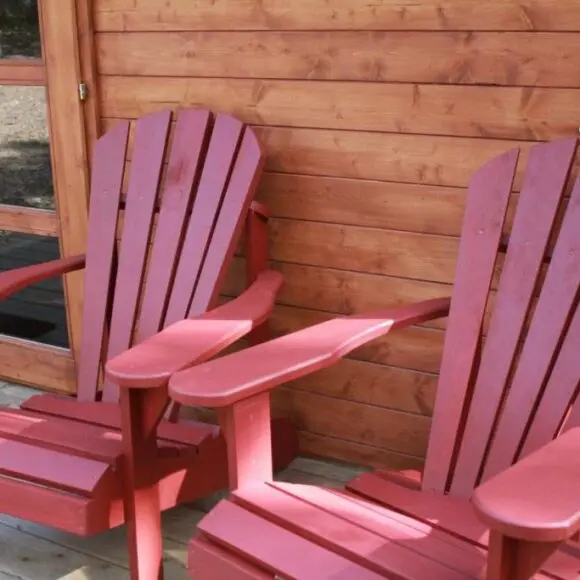
Outdoor Amenities: The property features an outdoor fireplace, picnic area, and outdoor seating. Free on-site private parking is available, along with bicycle parking for those who wish to explore the surroundings.
Convenient Location: Located 21 mi from Spectacle Lake Provincial Park and 9.9 mi from Maple Bay, the cabin provides easy access to local attractions. Ganges Water Airdrome is 21 mi away, while Mill Bay Ferry Terminal is 17 mi from the property.Distance in property description is calculated using © OpenStreetMap
Camping The Elderberry Cabin – Cowichan Valley Bunkie Glamping reviews
Planning your ferry trip from Duncan? Stay at The Elderberry Cabin – Cowichan Valley Bunkie Glamping; rated ★★★★☆ (9/10) and is available from CAD $ 204. The Elderberry Cabin – Cowichan Valley Bunkie Glamping is perfectly situated near the ferry routes, and can be reserved directly through Booking.com.
📍 Address The Elderberry Cabin – Cowichan Valley Bunkie Glamping
Duncan, ca
FAQ
What is the travel time for the ferry Vancouver route from Nanaimo (Departure Bay) to Horseshoe Bay?
The travel time for the ferry Vancouver route from Nanaimo (Departure Bay) to Horseshoe Bay is approximately one hour and forty minutes. However, it’s always best to verify the exact duration by checking the Nanaimo to Horseshoe Bay crossing times. This crossing time can be affected by weather conditions and other unforeseen circumstances.
What are the departure times from Tsawwassen for the Swartz Bay ferry Vancouver route?
The Tsawwassen to Swartz Bay ferry Vancouver route offers multiple daily sailings, with departures varying depending on the season and day of the week. To ensure you have the most accurate and up-to-date information, it’s essential to consult the detailed Tsawwassen to Swartz Bay ferry schedule. Generally, sailings begin early in the morning and continue throughout the day, with increased frequency during peak travel periods. Planning ahead and checking the schedule is crucial, especially if you’re traveling with a vehicle, as reservations are highly recommended.
What are the best times to travel from Swartz Bay on the ferry Vancouver to avoid peak traffic?
To avoid peak traffic when traveling from Swartz Bay on the ferry Vancouver, it’s recommended to travel during off-peak hours. Typically, early morning and late evening sailings tend to be less crowded. For more specific recommendations and to check the real time traffic, consult the Swartz Bay off-peak travel page. Traveling mid-week is also usually less busy than weekend travel.
Ferry Vancouver
Weather considerations can occasionally affect ferry schedules, particularly during severe winter storms or high winds. Safety remains the top priority, with sailings potentially delayed or cancelled during dangerous conditions. Passengers should monitor weather forecasts and sailing status before traveling, especially during winter months.
Real-time information about ferry schedules, delays, and availability helps travelers plan their Vancouver Island journey effectively. Mobile apps and online resources provide current sailing information and terminal conditions. Staying informed prevents delays and ensures smooth travel experiences.
Wildlife viewing opportunities during ferry crossings include orcas, seals, dolphins, and diverse seabird species throughout the Salish Sea. The best viewing occurs from outdoor decks, and crew members often announce wildlife sightings over the ship’s public address system. Binoculars enhance the wildlife watching experience during these scenic journeys.
Food and dining onboard ranges from casual cafeterias to full-service restaurants depending on the vessel and route. Local British Columbia ingredients feature prominently in menu offerings. Passengers can also bring their own food and enjoy meals in designated dining areas or outdoor spaces.
Ferry reservations are highly recommended, especially during peak summer months and holiday periods when demand significantly exceeds capacity. Advance booking ensures guaranteed passage and reduces waiting times at terminals. Walk-on passengers and cyclists typically have more flexibility, while vehicle spaces often sell out during busy travel periods.
Horseshoe Bay to Departure Bay offers another major ferry route connecting West Vancouver to Nanaimo on Vancouver Island’s east coast. This scenic 100-minute crossing provides spectacular views of Howe Sound and the Coast Mountains. Nanaimo serves as an excellent gateway to explore central Vancouver Island, including access to Tofino, Cathedral Grove, and numerous outdoor recreation areas.
Onboard amenities enhance the ferry experience with restaurants, cafeterias, gift shops, and comfortable seating areas. Many vessels feature outdoor viewing decks perfect for photography and wildlife watching. Children’s areas, business centers, and quiet lounges provide options for different passenger preferences during the crossing.
Pacific Northwest scenery during ferry crossings showcases the region’s dramatic coastline, forested islands, and mountain backgrounds. Photography enthusiasts find endless opportunities for capturing spectacular landscapes and seascapes. Weather conditions can dramatically change the crossing experience, from sunny clear days to mystical fog-shrouded journeys.
Tourist information centers at major ferry terminals provide maps, brochures, and local expertise for Vancouver Island travel planning. Knowledgeable staff offer recommendations for accommodations, attractions, and activities. These resources help first-time visitors maximize their Vancouver Island experience.
Island hopping opportunities exist for adventurous travelers wanting to explore the Gulf Islands during their ferry journey. Some routes provide connections to smaller islands like Salt Spring, Pender, and Galiano Islands. These stops offer unique communities, local artisans, and pristine natural environments.
Ferry pricing varies by route, season, and vehicle type, with significant differences between passenger fares and vehicle transportation costs. Peak season rates apply during summer months when tourism demand is highest. Multiple pricing tiers accommodate different traveler needs, from foot passengers to large RVs and commercial vehicles.